


Within nightlife environments, staff performance directly shapes guest experience, operational safety, and overall venue reputation. Staff Observation focuses on how employees execute duties under real-world conditions—evaluating attentiveness, communication, and adherence to established procedures. This process identifies both strengths and inconsistencies that influence service quality and risk prevention.
Through structured observation, each team member’s behavior is assessed in context bartenders, servers, and security staff are evaluated on professionalism, awareness, and response time. By documenting real-time actions, the expert provides an objective perspective that supports management in improving performance and reinforcing accountability
Observation begins by examining staff interaction with guests and coworkers. The goal is to measure consistency, tone, and professionalism under typical and high-pressure conditions, ensuring each role contributes to a controlled and positive environment.
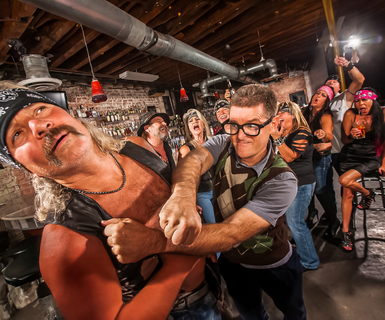

During this phase, focus is placed on order accuracy, time management, and compliance with responsible alcohol service guidelines. Each server and bartender is evaluated on speed, coordination, and attention to guest needs while maintaining compliance with venue standards. This ensures consistency between management expectations and real-world execution.
Communication is the foundation of operational control. This stage analyzes verbal and non-verbal exchanges among staff and supervisors to determine efficiency in relaying information. Ineffective communication often leads to misunderstandings, service delays, and safety risks. Identifying gaps allows leadership to implement better internal reporting systems and team briefings.
Each observed action is measured against current venue policies and training materials. This includes ID verification, intoxication monitoring, and emergency response awareness. By comparing actual behavior to operational guidelines, management gains clear evidence of where additional reinforcement or supervision is required.
After observation, findings are used to shape updated training programs. These recommendations often include advanced service instruction, conflict de-escalation techniques, and team coordination exercises. Continuous learning fosters a professional culture where staff operate confidently and proactively under all conditions.
Staff Observation creates measurable improvement across every department. Through structured evaluation and behavioral insight, management gains a complete understanding of how staff choices affect safety, service quality, and reputation. The process promotes accountability, encourages growth, and strengthens the integrity of nightclub and bar operations.
It reviews internal procedures, management oversight, and team coordination to determine how effectively a venue operates during daily service and critical situations
An analysis goes beyond surface observation. It examines documentation, communication, and policy adherence to provide a full understanding of operational performance.
Owners, managers, and legal teams use these evaluations to identify operational gaps, improve staff reliability, and verify compliance with established service standards.
Venues should request an analysis annually or following any significant incident, procedural change, or staff restructuring to maintain operational consistency.