



Every nightclub and bar environment operates within a fast-paced atmosphere where timing, awareness, and coordination are critical. Incident Evaluation examines how staff, security, and management respond to real-time situations — from overservice to crowd control — ensuring that every action aligns with professional standards and safety expectations.
Each evaluation focuses on uncovering the sequence of actions, reactions, and decision-making that occurred before, during, and after an incident. By analyzing communication flow, staff behavior, and operational procedures, this process delivers a factual, unbiased perspective that supports accountability and enhances overall venue performance.
The evaluation begins with a detailed study of event logs, video footage, and witness statements to reconstruct each moment leading to the incident. This process helps identify procedural lapses, delayed responses, or unrecognized warning signs. Each finding contributes to a clearer understanding of how team members’ actions influenced the outcome.
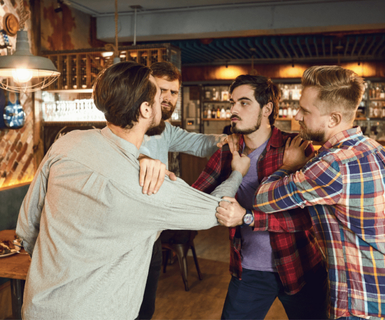
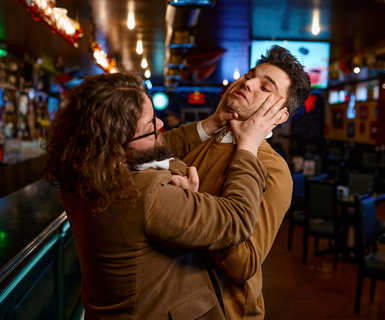
Through behavioral analysis, the expert examines staff judgment, de-escalation strategies, and adherence to alcohol service guidelines. By assessing demeanor and decision-making under pressure, we determine whether team members followed venue policy or deviated from standard operating expectations.
Reconstructing the scene provides clarity on environmental factors such as lighting, visibility, staffing placement, and guest movement. These details are essential in establishing whether the incident could have been prevented through improved supervision, equipment positioning, or crowd management adjustments.
A key component of every evaluation involves analyzing communication flow between servers, bartenders, and security. Incident reports are reviewed for consistency and accuracy, ensuring all involved personnel provided factual, aligned accounts. Miscommunication is often a leading cause of escalation, and identifying it supports future procedural improvement.
Following the evaluation, a structured list of corrective actions is provided to improve safety, training, and documentation. Recommendations often include enhanced staff briefings, incident response drills, and supervisory oversight to minimize future risks.
Incident Evaluation provides an unbiased and factual analysis of all operational elements surrounding a nightlife occurrence. By identifying causes, clarifying actions, and recommending targeted solutions, the process strengthens venue integrity and contributes to safer, more accountable nightlife environments.
An Incident Evaluation reviews staff actions, communication, and safety measures during a specific event. It analyzes reports, footage, and procedures to determine how effectively the team managed the situation.
Accurate documentation provides a clear timeline of actions and responses. It supports fact-based analysis and ensures every operational decision can be verified against venue protocols.
Findings from the evaluation identify procedural gaps and training needs. The results help management refine policies, enhance staff awareness, and strengthen incident prevention strategies.
A venue should request an evaluation after any significant disturbance, guest injury, or service-related issue. Early review ensures accurate reporting and promotes operational transparency.